Best Starter in Generation 2
 Cyndaquil is the best Generation 2 starter for a Johto playthrough due to its high Special Attack and Speed, combined with a typing that steamrolls early Gyms like Bugsy and Jasmine.
  Totodile offers a reliable, balanced physical alternative, while
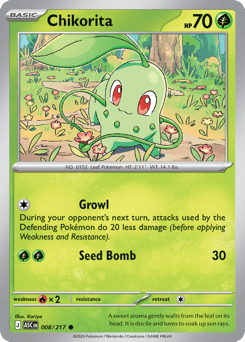
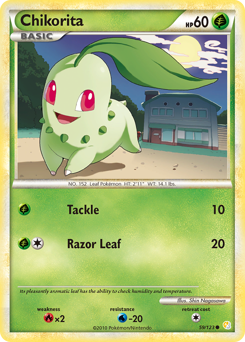
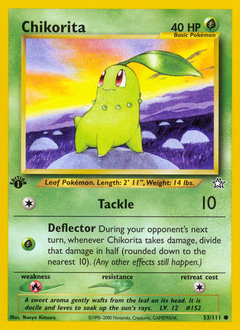
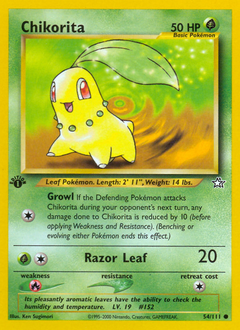
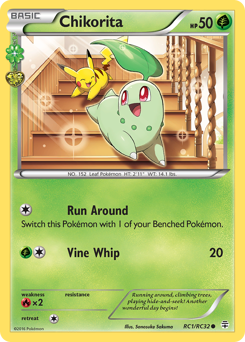
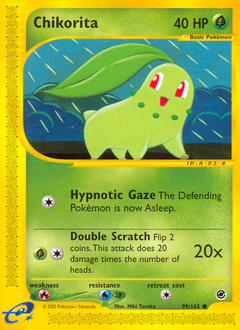
  Chikorita serves as a niche defensive support option.
The Best Depending on Your Playstyle
Choosing the optimal partner depends entirely on your mechanical goals and the game version you are playing. Modern iterations like Pokémon Scarlet and Violet offer different tools than the original Game Boy Color cartridges.
- Speedrunning and Story Clearing: Cyndaquil. Its high Speed and Special Attack, combined with early access to powerful Fire-type STAB moves, make it the fastest option for clearing early Johto hurdles.
- Versatile Physical Attacking: Totodile. With natural bulk and access to a wide array of HMs and TMs like Ice Punch and Earthquake, it operates as a self-sufficient physical bruiser.
- Defensive Team Support: Chikorita. Built for players who prefer stalling tactics, utilizing screens, Leech Seed, and recovery moves to outlast opponents rather than one-shot them.
- Modern Scarlet/Violet Play: Totodile. In the Indigo Disk DLC,
 Feraligatr gains access to its Hidden Ability Sheer Force and Dragon Dance, making it the most viable of the three in modern casual play.
While we look ahead to Pokémon Legends: Z-A in 2025 for potential Mega Evolutions or regional variants, the core identities of these three remain rooted in their baseline stats and movepools.
Methodology: How We Ranked the Johto Starters
We evaluate these Pokémon strictly on their in-game performance throughout the Johto and Kanto regions. We do not factor in Smogon competitive tiers, as none of the Johto starters maintain serious viability in the current Scarlet and Violet SV OU metagame.
Our criteria focus on three pillars: Gym Leader and Elite Four matchups, movepool accessibility via level-up and TMs, and base stat distribution. A starter must be able to handle early-game momentum checks without requiring excessive grinding.
We also weigh their utility in traversing the overworld. Johto requires heavy HM usage, and a starter that can effectively integrate moves like Surf or Strength without sacrificing combat potential gains significant value in our ranking.
Unpacking the Johto Trio: Chikorita, Cyndaquil, and Totodile
The choice between Chikorita, Cyndaquil, and Totodile dictates the pacing of your entire journey through Pokémon Gold, Silver, and Crystal. These three represent the foundational elemental triangle of Grass, Fire, and Water.
Unlike the Kanto starters, which all gain secondary typings in their final forms, the Johto trio remains pure mono-type throughout their evolutionary lines. This forces players to rely heavily on their base stats and coverage moves to handle diverse threats.
The enduring debate over the best Johto starter centers on balancing early-game ease against late-game scaling. We break down exactly how each option performs across the various stages of the campaign.
1. Cyndaquil
Cyndaquil claims the top spot due to its offensive stat distribution and highly favorable early-game matchups. Evolving into  Quilava and eventually
  Typhlosion, it boasts identical base stats to Kanto's
  Charizard, prioritizing Special Attack and Speed.
This speed allows it to strike first against almost all early-game threats. It completely neutralizes Bugsy's  Scyther with Ember and easily melts Jasmine's Steel-types with Flamethrower. In Pokémon Crystal, Typhlosion can learn ThunderPunch via the Goldenrod City move tutor, granting it crucial coverage against Water and Flying types.
Its primary limitation is a shallow movepool in Generation 2. Outside of Fire-type attacks and ThunderPunch, it relies on Normal-type moves like Swift or Return. It also hits a mid-game wall against Whitney's  Miltank and Chuck's
  Poliwrath, requiring team support to push through.
2. Totodile
Totodile sits comfortably in the second position as the most consistent and versatile physical attacker of the trio. Its evolutionary line, culminating in Feraligatr, heavily favors Attack and Defense, allowing it to take physical hits while dishing out severe damage.
Its Water typing provides excellent neutral coverage across Johto. It handles Bugsy easily, resists Pryce's Ice-types, and can learn Ice Punch via TM in Goldenrod City to threaten Clair's Dragon-types. Furthermore, it serves as an exceptional HM user, utilizing Surf, Strength, and Waterfall effectively without wasting move slots.
Totodile's main drawback in original Generation 2 is the mechanical typing system. All Water-type moves run off Special Attack, which is Feraligatr's weaker offensive stat. It must rely on moves like Earthquake or Return to maximize its high physical Attack stat during the Johto campaign.
3. Chikorita
Chikorita ranks third due to a brutal combination of defensive stat allocation and a highly unfavorable Gym Leader gauntlet.  Meganium is built as a tank, prioritizing HP, Defense, and Special Defense, but lacks the offensive pressure needed to quickly clear battles.
The early game is actively hostile to Chikorita. It faces a severe type disadvantage against Falkner's Flying-types, Bugsy's Bug-types, and Morty's Ghost/Poison-types. Players picking Chikorita often find themselves relying on catching a  Geodude or
  Mareep early on just to survive the first three Gyms.
Despite its struggles, Chikorita offers unique strategic depth. It excels in stalling tactics, utilizing Reflect, Light Screen, Leech Seed, and Synthesis. Against physical attackers like Chuck's Poliwrath or Whitney's Miltank, a Reflect-boosted  Bayleef can anchor the team and absorb hits that would faint the other two starters.
Navigating Johto's Gyms: Starter Performance Breakdown
Momentum in Johto is dictated by how you handle the first three Gyms. Cyndaquil creates an immediate snowball effect, clearing Sprout Tower and Bugsy with zero friction. Totodile requires slightly more effort against Falkner but stabilizes quickly once it learns Water Gun.
Whitney's Miltank represents the first universal roadblock. Her Rollout attack scales exponentially, punishing frail attackers. Cyndaquil struggles heavily here due to its low physical Defense. Chikorita actually shines in this specific matchup if it sets up Reflect to halve Rollout's damage, while Totodile can muscle through with Rage or Fury Swipes.
Late-game Gyms require specific TM investments. Clair's  Kingdra is a nightmare for all three starters due to its Water/Dragon typing and Smokescreen spam. Feraligatr armed with Ice Punch is the most reliable counter, while Typhlosion must rely on neutral damage, and Meganium is relegated to setting up screens or healing the team.
Beyond Johto: Elite Four and Kanto Region Performance
The Johto Elite Four tests the final evolutions of your starters. Typhlosion easily sweeps Koga's Bug/Poison types and handles Will's  Jynx and
  Exeggutor. Feraligatr shines against Bruno's Rock/Fighting types and can use Ice Punch to dismantle Lance's three Dragonites.
Meganium struggles significantly against the Elite Four. It has almost no offensive presence against Koga or Lance, and its Grass typing leaves it vulnerable to Will's  Xatu and Karen's
  Houndoom. It is strictly relegated to a support role during the Pokémon League challenge.
In the post-game Kanto region, levels scale aggressively. The final battle against Red on Mt. Silver requires a well-rounded team. Typhlosion matches up poorly against Red's  Blastoise and
  Snorlax. Feraligatr's physical bulk allows it to trade blows with Snorlax, while Meganium can effectively wall Red's
  Pikachu and Blastoise, provided it avoids Blizzard.
The Remake Factor: Starters in HeartGold & SoulSilver
Pokémon HeartGold and SoulSilver completely redefined the viability of the Johto starters by implementing the Generation 4 Physical/Special split. This mechanical shift dramatically alters how each Pokémon utilizes its movepool.
Feraligatr is the biggest winner of the remakes. Waterfall and Ice Fang become physical attacks, allowing Feraligatr to finally leverage its massive base Attack stat with STAB moves. It transforms from a mixed attacker into a terrifying physical sweeper. It also gains access to Crunch to deal with Morty and Will.
Typhlosion gains Lava Plume and Eruption, cementing its role as a premier special attacker. Meganium receives minor buffs to Petal Dance, but its core issue remains: its Grass typing is simply poor offensively in the Johto region. The remakes solidify Totodile as the optimal choice for a balanced, modern playthrough of the Johto narrative.
Defining 'Best': Playstyle, Team Synergy, and Personal Connection
Determining the definitive 'best' starter requires acknowledging that Pokémon playthroughs are highly subjective. A player's enjoyment often stems from team synergy and aesthetic preferences rather than raw stat optimization.
If you plan to catch an early  Houndour or
  Growlithe, picking Cyndaquil becomes redundant. If you want the Red
  Gyarados at the Lake of Rage to be your primary Water-type, Totodile loses some of its unique value. A starter's weaknesses can always be mitigated by catching complementary wild Pokémon.
Nostalgia and personal connection drive many choices. While the data points to Cyndaquil for speed and Totodile for physical power, picking Chikorita forces a unique, strategic approach to the game that many veteran players find highly rewarding. The best starter is ultimately the one that fits your intended approach to team building.
Quick Tier-List for Johto Playthroughs
For players looking for a rapid assessment of viability across the Johto campaigns (GSC and HGSS), here is how the starters stack up:
- S-Tier: Cyndaquil. Unmatched early-game momentum and excellent speed for sweeping late-game routes.
- A-Tier: Totodile. Highly reliable, massive physical movepool, and the biggest beneficiary of the HGSS physical/special split.
- B-Tier: None. There is a distinct gap in utility between the top two and the bottom option.
- C-Tier: Chikorita. Punished by the region's Gym typings and lacks the offensive stats to clear battles efficiently.
- Pokémon
- Chikorita
- Type
- Grass
- Total
- 318
- Pokémon
- Cyndaquil
- Type
- Fire
- Total
- 309
- Pokémon
- Totodile
- Type
- Water
- Total
- 314
| Pokémon | Type | Total |
|---|---|---|
| Chikorita | Grass | 318 |
| Cyndaquil | Fire | 309 |
| Totodile | Water | 314 |
Base Stat Comparisons

TYPE EFFECTIVENESS
Related Pokémon guides
Use our tools to calculate IVs, plan your EVs, and build the perfect team around your chosen Johto starter.
Go to Team BuilderExplore the Pokédex
Frequently Asked Questions
Which Johto starter is the strongest against the Gym Leaders?
Cyndaquil is the strongest against the early Gym Leaders. Its Fire typing gives it a massive advantage against Falkner's Pidgeotto, Bugsy's Scyther, and Jasmine's Steelix. Totodile performs better in the mid-to-late game against Pryce and Clair.
Is Totodile better than Cyndaquil in HeartGold and SoulSilver?
Yes, Totodile arguably surpasses Cyndaquil in the remakes. The physical/special split allows Feraligatr to use Waterfall and Ice Fang as physical attacks, perfectly aligning with its high base Attack stat and making it a devastating sweeper.
Why is Chikorita considered the hardest starter to use?
Chikorita is considered difficult because its pure Grass typing is weak to the first two Gyms (Flying and Bug) and ineffective against the third (Ghost/Poison). It also lacks strong offensive stats, forcing players to rely on slow, defensive strategies.
Do the Generation 2 starters have Mega Evolutions?
Currently, Meganium, Typhlosion, and Feraligatr do not have Mega Evolutions. While players speculate they might receive them in the upcoming Pokémon Legends: Z-A, their current forms rely entirely on their base stats and standard abilities.