Best Bug-Type Pokémon
 Volcarona is the best Bug-type Pokémon due to its dominant OU tier presence, Quiver Dance setup, and Flame Body ability that punishes physical attackers.
  Slither Wing,
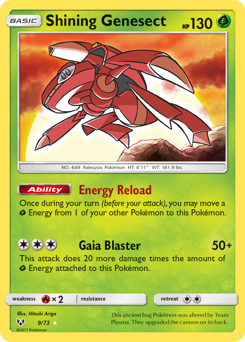
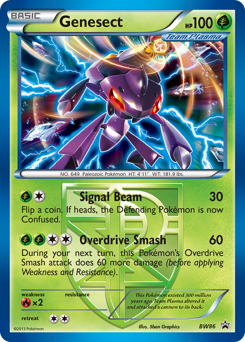
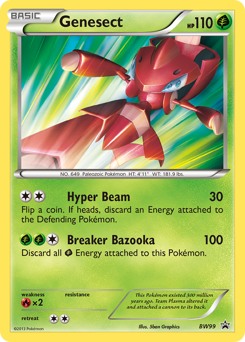
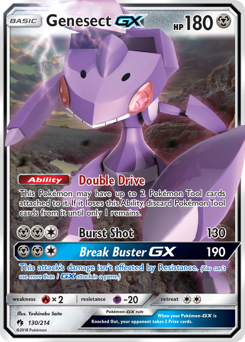
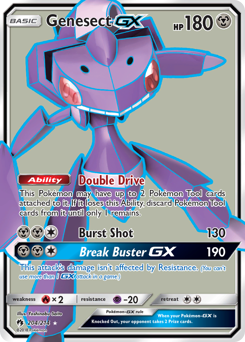
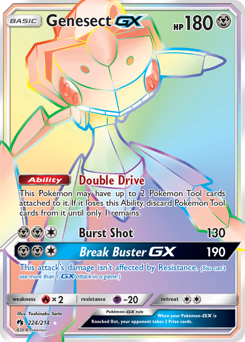
  Genesect,
  Pheromosa, and
  Buzzwole serve as elite, aggressive alternatives depending on your specific competitive format and team composition.
The Best Bug-Type for Your Playstyle
Selecting the optimal Bug-type depends entirely on your competitive format and team requirements. Different playstyles demand specific stats, abilities, and movepools.
- Volcarona: The premier choice for special setup sweeping, utilizing Quiver Dance to dismantle opposing teams in standard OU play.
- Slither Wing: A dominant physical wallbreaker in the UU tier, relying on First Impression and Protosynthesis for immediate burst damage.
- Pheromosa: The ultimate glass cannon pivot, leveraging extreme Speed, Beast Boost, and U-turn for hit-and-run momentum.
 Scizor: A necessary defensive pivot and priority revenge killer, using Technician-boosted Bullet Punch to clear weakened threats.
1. Volcarona
Volcarona sits firmly in the OU tier with a 9.2% usage rate in current Scarlet and Violet formats. This Bug/Fire dual-type operates as an elite special sweeper. Its success hinges entirely on Quiver Dance, a premier setup move boosting Special Attack, Special Defense, and Speed simultaneously.
Heavy-Duty Boots are mandatory for Volcarona. This item nullifies its 50% health penalty from Stealth Rock, allowing safe entry onto the field. Once positioned, it utilizes Bug Buzz and Fiery Dance as primary STAB options, with Giga Drain or Psychic providing crucial coverage against resisting types.
Volcarona synergizes perfectly with  Great Tusk and Ogerpon-Wellspring, who handle its Rock and Water weaknesses. Defensive threats like Ogerpon-Cornerstone,
  Ceruledge, and
  Skeledirge effectively counter it. Arcanine-Hisui and
  Hawlucha also force immediate switches, requiring careful hazard control and momentum management from teammates.
2. Slither Wing
Slither Wing dictates the pace of the UU tier, holding an 11.5% usage rate. This Bug/Fighting Paradox Pokémon operates strictly as a physical wallbreaker. Its Protosynthesis ability activates via Sun or Booster Energy, immediately amplifying its offensive pressure without requiring setup turns.
First Impression provides unparalleled priority damage on the first turn Slither Wing enters the field. Close Combat and Leech Life serve as reliable, high-damage STAB options. Earthquake and Flare Blitz offer mandatory coverage against resisting Poison and Steel types, while U-turn guarantees momentum on forced switches.
Effective team building pairs Slither Wing with  Latios, Arcanine-Hisui,
  Venusaur,
  Ninetales, and
  Excadrill. These partners cover its Flying and Psychic weaknesses while capitalizing on Sun conditions. Opposing
  Sinistcha,
  Azumarill, Arcanine-Hisui,
  Iron Jugulis, and
  Manaphy serve as hard counters, absorbing its strikes and forcing immediate retreats.
3. Genesect
Genesect dominates specialized rulesets and Ubers tiers through sheer versatility. The Bug/Steel typing provides nine resistances and only one weakness to Fire. The Download ability automatically boosts either Attack or Special Attack based on the opponent weaker defensive stat upon entry.
This unpredictable nature stems from its diverse movepool and drive items. Genesect can run physical sets with U-turn, or special sets with Ice Beam and Flamethrower. The drive items alter the typing of Techno Blast, adding further coverage options.
Its primary function remains momentum generation. Genesect forces switches through its wide coverage and immediately capitalizes by clicking U-turn. This hit-and-run strategy wears down defensive cores over the course of a match.
4. Pheromosa
Pheromosa functions as an extreme glass cannon, trading all defensive utility for overwhelming Speed and Attack. The Beast Boost ability creates a snowball effect, increasing its highest stat after every knockout. This makes Pheromosa a terrifying late-game cleaner.
Its Bug/Fighting typing grants access to high-risk, high-reward STAB moves. High Jump Kick inflicts massive damage but penalizes Pheromosa heavily if it misses or hits a Ghost-type. Lunge drops the opponent Attack stat, while U-turn allows it to escape bad matchups.
Because any neutral attack generally results in a knockout, Pheromosa requires pristine hazard removal and slow pivoting support. Bringing Pheromosa onto the field safely is the primary challenge for any player utilizing this Ultra Beast.
5. Buzzwole
Buzzwole provides a stark contrast to Pheromosa, utilizing the Bug/Fighting typing for immense physical bulk. High base HP and Defense allow Buzzwole to switch directly into physical attackers. The Beast Boost ability further amplifies its physical presence upon securing a knockout.
Leech Life acts as Buzzwole primary tool for longevity. This STAB move deals significant damage while restoring health, making Buzzwole incredibly difficult to break on the physical side. Close Combat provides immediate burst damage when healing is unnecessary.
Despite its physical dominance, Buzzwole suffers from a severe weakness to special attacks. Any strong Flying-type or special Psychic-type move forces an immediate switch. Players must pair Buzzwole with dedicated special walls to cover this glaring defensive gap.
Defining Best: What Makes a Bug-Type Pokémon Great?
Evaluating the strength of a Bug-type requires analyzing Base Stat Total distribution. Pokémon like Volcarona succeed because their stats heavily favor Special Attack and Speed, aligning perfectly with their primary setup moves. Scizor thrives on high Attack and Defense, masking its low Speed.
Game-changing abilities elevate otherwise mediocre Pokémon. Tinted Lens allows  Yanmega and
  Lokix to bypass type resistances entirely. Speed Boost turns
  Ninjask and
  Scolipede into unstoppable late-game sweepers. Technician transforms Scizor weak priority moves into lethal strikes, while Adaptability makes Mega
  Beedrill a terrifying wallbreaker.
A diverse movepool is mandatory for competitive viability. Strong STAB options like U-turn, Leech Life, and Bug Buzz form the offensive core. Crucial coverage moves like Flamethrower, Close Combat, and Ice Beam prevent Bug-types from being walled by Steel and Flying opponents.
Dual-typing heavily dictates a Pokémon role. The Bug/Steel combination provides excellent defensive utility by mitigating common weaknesses. Conversely, Bug/Grass combinations introduce numerous four-times weaknesses, drastically limiting competitive potential regardless of stats.
Defensive Walls & Strategic Pivots: Bug-Types for Control and Support
Scizor utilizes its Bug/Steel typing to function as a premier defensive pivot and revenge killer. The Technician ability boosts low-power moves, turning Bullet Punch into a lethal priority strike. Equipping a Choice Band or Assault Vest maximizes its hit-and-run efficiency with U-turn.
 Forretress capitalizes on the same Bug/Steel typing but focuses entirely on hazard management. The Sturdy ability guarantees survival against a single fatal blow. This ensures Forretress can set Spikes or Stealth Rock, while Rapid Spin clears opposing hazards from the field.
 Araquanid relies on its unique Water Bubble ability. This mechanic doubles the power of Water-type attacks like Liquidation while halving incoming Fire-type damage. High Special Defense and access to Leech Life allow Araquanid to trade hits effectively against special attackers.
 Galvantula controls the battlefield tempo using Compound Eyes to boost the accuracy of Thunder. Its primary role involves setting Sticky Web to lower the Speed of grounded opponents. U-turn allows Galvantula to pivot out safely after establishing field control.
 Shuckle possesses extreme defensive stats paired with the Sturdy and Contrary abilities. Despite an abysmal offensive presence, it sets Sticky Web and inflicts Toxic poison. This makes Shuckle a highly specialized lead for dedicated entry hazard teams.
Bug-Types in Recent Generations: Legends Z-A, Scarlet & Violet, Sword & Shield
With Pokémon Legends: Z-A arriving in 2025, Bug-types face an evolving mechanical landscape. Currently, Scarlet and Violet dictate standard competitive play. Lokix introduced a potent Bug/Dark typing to Generation 9.
Lokix bypasses resistances using the Tinted Lens ability. First Impression provides immediate, high-damage priority upon entering the field. Swords Dance and Sucker Punch create a secondary win condition against faster, weakened teams.
Slither Wing brings a Bug/Fighting combination to the Generation 9 UU tier. Protosynthesis triggers via Sun or Booster Energy, elevating its already massive Attack stat. Close Combat and Leech Life serve as primary damage sources.
Generation 8 introduced  Frosmoth and
  Orbeetle in Sword and Shield. Frosmoth utilizes Ice Scales to halve incoming special damage, creating setup opportunities for Quiver Dance. Orbeetle functions as a dual-screen setter, using Light Screen, Reflect, and Teleport to support teammates.
The unique battle system of Legends:  Arceus highlighted
  Kleavor. This Bug/Rock type leverages the Sharpness ability to boost slicing moves. Stone Axe applies residual damage while functioning within the Agile and Strong style action order system.
 Crustle
 Vivillon
Team Building & Synergies: Integrating Bug-Types into a Winning Strategy
Integrating Bug-types requires precise synergy to mitigate their inherent defensive flaws. Pairing a Bug-type with Water, Electric, Steel, or Rock Pokémon covers common vulnerabilities to Fire, Flying, and Rock attacks. This defensive core prevents opponent sweeps.
Entry hazard control dictates the success of most Bug-type attackers. Forretress or Galvantula can establish hazards, while teammates must provide Rapid Spin support. U-turn users pivot around these hazards to maintain offensive momentum and scout opponent switches.
An offensive core often pairs a Bug-type sweeper like Volcarona with a dedicated wallbreaker. The wallbreaker punches holes in the opposing defensive line, clearing Steel types or Fire types. This creates the necessary opening for a late-game Quiver Dance sweep.
Weather and terrain heavily influence specific Bug-types. Slither Wing achieves maximum damage output under Sun conditions due to Protosynthesis. Araquanid benefits from Rain, which further amplifies its Water Bubble-boosted Liquidation strikes.
Momentum control relies heavily on U-turn and Volt Switch. Scizor, Pheromosa, and Lokix utilize U-turn to deal chip damage while escaping unfavorable matchups. This strategy forces the opponent to react while the user dictates the pace of the match.
Common Pitfalls & Counterplay: Understanding Bug-Type Vulnerabilities
Stealth Rock weakness remains the most severe pitfall for Bug-type Pokémon. Typing combinations involving Flying, Fire, or Ice take 50% damage upon switching in. Volcarona, Yanmega, and Frosmoth absolutely require Heavy-Duty Boots to function in standard play.
Reliance on setup turns creates massive vulnerability. Sweepers like Volcarona and Scolipede need at least one free turn to use Quiver Dance or Swords Dance. Faster threats, priority attacks, or status conditions easily interrupt this setup phase.
Type coverage gaps frequently halt Bug-type momentum. Pure Bug attackers struggle immensely against Steel types. Bug/Fighting variants like  Heracross or Buzzwole face hard walls in bulky Flying types, requiring precise prediction or coverage moves to progress.
Priority moves bypass the speed advantages generated by setup or Choice Scarf items. Bullet Punch, Extreme Speed, and Ice Shard easily finish off weakened Bug-types. Players must eliminate opposing priority users before committing to a final sweep.
Specific defensive Pokémon completely shut down popular Bug-types.  Heatran absorbs Fire attacks and resists Bug STAB, effectively walling Volcarona.
  Toxapex absorbs hits and retaliates with status, while
  Corviknight easily handles physical Bug-type strikes.
The Enduring Legacy of Bug-Types: From Underdogs to Champions
Bug-type Pokémon have evolved significantly from their early-generation status as weak, early-route encounters. The strategic depth they now offer spans across every competitive tier and playstyle. From Volcarona sweeping dominance to Scizor defensive pivoting, Bug-types dictate the pace of modern battles.
These Pokémon prove that strategic synergy overcomes inherent typing flaws. While weaknesses to Stealth Rock and common offensive types persist, abilities like Protosynthesis and Technician provide the necessary tools to bypass these hurdles. Proper team composition turns these perceived underdogs into meta-defining threats.
Players should actively experiment with Bug-types in their competitive rosters. Challenging the preconceived notions about their fragility often reveals unique win conditions. A well-timed U-turn or a protected Quiver Dance setup can easily dismantle standard defensive cores.
Future generations will continue to expand the potential of Bug-type Pokémon. Mechanics introduced in Legends: Z-A and beyond will likely shift the meta again, offering new tools and typing combinations. The Bug-type remains a dynamic and highly rewarding category for skilled players.
Quick Tier List
This tier list categorizes the top Bug-type Pokémon based on their current competitive impact, consistency, and overall utility across standard formats.
- S-Tier: Volcarona, Genesect. These Pokémon centralize teambuilding and require dedicated counters.
- A-Tier: Slither Wing, Pheromosa, Scizor, Buzzwole. Highly effective picks that excel in specific, high-impact roles.
- B-Tier: Lokix, Araquanid, Forretress, Kleavor. Reliable options that perform well when supported by the right team composition.
- C-Tier: Frosmoth,
 Centiskorch, Galvantula,
  Ribombee, Heracross. Pokémon that require significant setup or specific meta trends to find consistent success.
Methodology
This ranking relies on strict competitive data rather than subjective popularity. We evaluate Base Stat Total distribution, ensuring stats align with the Pokémon intended role. A high BST is meaningless if the distribution fails to support the assigned movepool.
Tier placements from standard Scarlet and Violet formats serve as the primary metric for viability. Usage statistics directly reflect a Pokémon consistency against the current meta. We strictly reference real competitive movesets, abilities, and item pairings driving these usage rates.
Game availability also factors into the evaluation. Pokémon mechanics are judged based on their most recent appearances, prioritizing Scarlet and Violet alongside the upcoming Legends: Z-A environment. This ensures the analysis reflects the modern mechanical landscape rather than outdated generations.
- Pokémon
- Genesect
- Type
- Bug, Steel
- Total
- 600
- Pokémon
- Buzzwole
- Type
- Bug, Fighting
- Total
- 570
- Pokémon
- Pheromosa
- Type
- Bug, Fighting
- Total
- 570
- Pokémon
- Slither Wing
- Type
- Bug, Fighting
- Total
- 570
- Pokémon
- Volcarona
- Type
- Bug, Fire
- Total
- 550
| Pokémon | Type | Total |
|---|---|---|
| Genesect | Bug, Steel | 600 |
| Buzzwole | Bug, Fighting | 570 |
| Pheromosa | Bug, Fighting | 570 |
| Slither Wing | Bug, Fighting | 570 |
| Volcarona | Bug, Fire | 550 |
Base Stats Overview

TYPE EFFECTIVENESS
Related Pokémon guides
Analyze complete Base Stat Totals and optimal movesets for every Bug-type Pokémon in the current meta.
View Full PokedexMore Pokémon Guides
Frequently Asked Questions
What is the strongest Bug-type Pokémon overall?
Volcarona holds the top spot in standard competitive play. Its access to Quiver Dance, high Special Attack, and Flame Body make it a premier setup sweeper in the OU tier. Heavy-Duty Boots resolve its critical Stealth Rock weakness.
How does Slither Wing compare to Volcarona?
Slither Wing operates as a physical wallbreaker in the UU tier, contrasting Volcarona special sweeping role. It relies on Protosynthesis, Close Combat, and First Impression to deal immediate physical damage, whereas Volcarona requires setup turns.
Which Bug-type is best for Pokémon Legends: Z-A and SV?
In Scarlet and Violet, Volcarona and Slither Wing dictate the meta. For historical formats like Legends: Arceus, Kleavor dominates using its Sharpness ability and Stone Axe. Legends: Z-A will likely introduce new Megas, potentially reviving Mega Beedrill or Heracross.
Why are Bug-type Pokémon considered weak?
Bug-types historically suffer from low Base Stat Totals and numerous type weaknesses, particularly to Stealth Rock. However, specific threats bypass these flaws through exceptional abilities like Tinted Lens or elite setup moves like Quiver Dance.