Legendary Pokémon in Generation 1
Defining Legendaries in Kanto
Generation 1 established the blueprint for Legendary Pokémon through strict single-encounter mechanics and overwhelming base stats. Players navigating Pokémon Red, Blue, and Yellow encountered four distinct static entities:  Articuno,
  Zapdos,
  Moltres, and
  Mewtwo. These encounters required deliberate exploration outside the main narrative path.
The distinction between Legendary and Mythical originated here with Mew. While Mewtwo and the Legendary Birds existed as catchable data within the standard game world, Mew remained locked behind official Nintendo distribution events. This artificial scarcity fueled playground rumors and established a two-tier system for rare Pokémon.
These five Pokémon captured the imagination of early players by offering a tangible reward for post-game exploration. Finding Cerulean Cave or solving the Seafoam Islands puzzles provided a sense of discovery that defined the Kanto region's enduring appeal.
The Best Fit For Your Roster
Choosing the right Kanto Legendary depends entirely on your current format and team needs. Here is the breakdown based on modern competitive data and in-game utility:
- The Unstoppable Sweeper: Mewtwo. Built for the Uber tier, it leverages high Speed and Special Attack to dismantle unprepared teams.
- The Defensive Pivot: Zapdos. Fits seamlessly into OU teams needing a reliable switch-in that punishes physical attackers with paralysis.
- The Status Spreader: Moltres. Excels at crippling physical threats with burns while maintaining longevity through reliable recovery.
- The Niche Specialist: Articuno. Reserved for lower-tier formats where its specific Ice-type coverage can find narrow opportunities.
1. Mewtwo: The Apex Predator
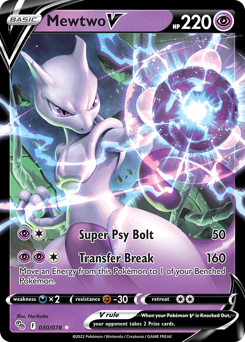
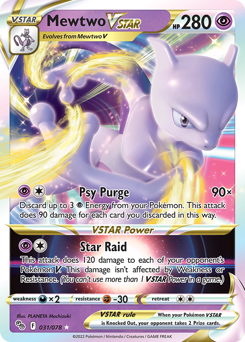
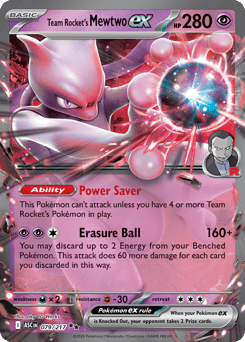
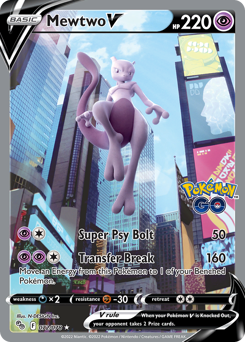
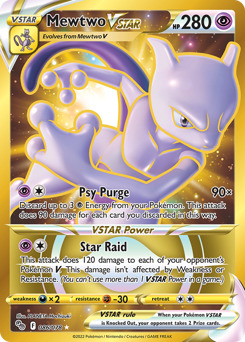
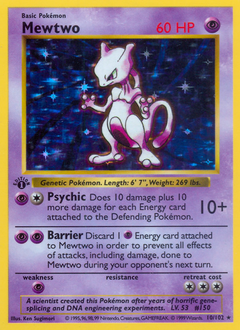
Mewtwo stands as the definitive powerhouse of Kanto, originating from genetic experiments detailed in the Cinnabar Mansion. Players face a grueling level 70 encounter in Cerulean Cave, requiring a Master Ball or extensive status-inflicting strategies. Its base stats heavily favor Special Attack and Speed, making it a relentless offensive threat.
In modern Scarlet/Violet formats, Mewtwo commands a 1.0% usage rate in the Uber tier. It utilizes the pressure and unnerve abilities to disrupt opponents. Competitive sets rely on psystrike to bypass special walls, paired with nastyplot to boost its already massive damage output. Coverage moves like fireblast, icebeam, shadowball, aurasphere, and thunderbolt allow it to hit almost the entire roster for super-effective damage.
Players typically equip Mewtwo with a lifeorb, choicescarf, focussash, heavydutyboots, or choicespecs depending on the required speed or power threshold. It pairs exceptionally well with  Koraidon, Necrozma-Dusk-Mane, Deoxys-Attack,
  Ho-Oh, and
  Lunala. However, it faces strict counters in the form of
  Kyogre and opposing Koraidon, which can out-damage or out-speed it.
2. Zapdos: The Reliable Pivot
Found deep within the abandoned Power Plant, Zapdos combines an excellent Electric/Flying typing with highly optimized stats. This typing grants it crucial immunities to Ground-type attacks, making it a staple in competitive play since its debut. Its design connects directly to Kanto's themes of industrial decay and elemental power.
Zapdos maintains a strong presence in the Scarlet/Violet OU tier with a 6.2% usage rate. Its abilities, static and pressure, punish opponents for making contact or stalling. The standard moveset revolves around voltswitch for momentum, roost for longevity, and hurricane or discharge for primary damage. Utility options like thunderwave, uturn, heatwave, and weatherball provide excellent flexibility.
To survive Stealth Rock, Zapdos almost exclusively runs heavydutyboots, though rockyhelmet, leftovers, choicespecs, and choicescarf see situational use. It forms strong defensive cores with  Great Tusk,
  Kingambit,
  Iron Treads, Slowking-Galar, and Ogerpon-Wellspring. Players must navigate around hard counters like Ogerpon-Cornerstone,
  Iron Moth,
  Iron Boulder, Arcanine-Hisui,
  Latias, and
  Kyurem.
3. Moltres: The Defensive Wallbreaker
Moltres originally awaited trainers at the end of Victory Road in Red and Blue, serving as a final test before the Elite Four. Its Fire/Flying typing offers key resistances to Fairy, Fighting, and Fire-type attacks. While historically hindered by a massive weakness to Rock-type moves, modern itemization has completely revitalized its competitive standing.
Operating in the Scarlet/Violet OU tier with a 4.5% usage rate, Moltres leverages its flamebody ability to burn physical attackers on contact. It also has access to pressure for PP stalling. Movesets prioritize roost and willowisp to outlast opponents, while flamethrower, hurricane, and bravebird dish out consistent damage. uturn, roar, and scorchingsands round out its utility options.
heavydutyboots are mandatory to negate its 4x Stealth Rock weakness, though aggressive sets occasionally run choicespecs, lifeorb, choicescarf, or rockyhelmet. Moltres synergizes perfectly with hazard removers and bulky attackers like Great Tusk,  Zamazenta,
  Gholdengo, Iron Treads, and Samurott-Hisui. It struggles against bulky Water and Rock-types, specifically
  Manaphy,
  Garganacl, Ogerpon-Cornerstone,
  Hydreigon,
  Volcanion, and
  Walking Wake.
4. Articuno: The Fallen Guardian
Articuno resides in the depths of the Seafoam Islands, requiring players to solve complex boulder puzzles to manipulate the water currents. Despite its elegant design and high Special Defense, its Ice/Flying typing is arguably the worst defensive combination in the franchise. It takes massive damage from common Rock, Steel, and Fire-type attacks.
This poor typing relegates Articuno to the Scarlet/Violet ZU tier, seeing only 3.4% usage in that lower bracket. It relies entirely on the pressure ability to stall out low-PP moves. Its competitive movepool includes freezedry to hit Water-types, alongside roost, hurricane, uturn, substitute, protect, haze, and roar.
Like Moltres, Articuno requires heavydutyboots to function, though leftovers, lifeorb, choicespecs, and choiceband appear in highly specific niche builds. It finds limited success partnering with lower-tier staples like  Sableye,
  Lurantis,
  Mesprit,
  Jolteon, and
  Carbink. While it lacks specific named counters in its native tier data, it generally folds to any faster Rock or Steel-type attacker.
Mew: The Mythical Ancestor
Mew holds a unique position as the genetic ancestor of all Pokémon, possessing the DNA of every species. This lore translates directly into its gameplay mechanic: Mew can learn every single TM and HM available. Its base stats are perfectly balanced at 100 across the board, making it the ultimate blank slate for team building.
The original distribution of Mew relied on highly exclusive official Nintendo events, such as the Pokémon League Summer Training Camp. However, players quickly discovered the infamous 'Mew Glitch'—a sequence involving the Trainer Fly glitch and manipulating hexadecimal values to force a wild encounter. This unintended method became the primary way most players obtained the Mythical Pokémon.
Mew's absence from the standard game data fueled massive fan speculation and urban legends. Its eventual discovery solidified its status as a cultural icon and established the concept of event-exclusive Mythical Pokémon that persists in every subsequent generation.
Strategic Impact and Competitive Legacy in Gen 1
The competitive landscape of Generation 1 was entirely defined by the mechanics of the 'Special' stat. Because Special Attack and Special Defense were combined into a single value, Pokémon with high Special stats were disproportionately powerful. Mewtwo exploited this flaw perfectly, using Amnesia to boost both its offensive output and defensive bulk simultaneously.
Mewtwo's dominance forced the creation of the 'Ubers' tier, a separate banlist designed to keep standard play balanced. Its Psychic typing had no viable weaknesses in Kanto, as Bug-type moves were incredibly weak and Ghost-type moves were bugged to have no effect on Psychic-types.
The Legendary Birds also shaped the early meta. Zapdos provided unmatched Electric/Flying coverage, easily dismantling the common Water-types of the era. Articuno, while struggling today, was a terrifying force in Gen 1 due to the 90% accuracy of Blizzard, which routinely froze opponents solid.
Capturing and Preparing: A Trainer's Guide
Catching Kanto's Legendaries requires meticulous preparation. The Master Ball, obtained in Silph Co., guarantees a capture and is almost universally saved for Mewtwo. For the Legendary Birds, players must rely on Ultra Balls and strict status management. Inflicting Sleep or Paralysis is mandatory to increase the capture rate.
Navigating their lairs presents a significant challenge. The Seafoam Islands demand players push boulders through specific holes to block fast-moving currents before reaching Articuno. The Power Plant is a maze filled with wild  Electrode disguised as items, draining team resources before the Zapdos encounter.
Players aiming for optimal stats must utilize soft resetting. By saving the game directly in front of the static encounter, trainers can catch the Pokémon, check its IVs, and reset the console if the stats are suboptimal. This technique remains a fundamental practice for catching Legendaries in modern titles.
Modern Reinterpretations: Gen 1 Legends in Later Games
The Kanto Legendaries continually adapt to new mechanics. With the upcoming release of Pokémon Legends: Z-A in 2025, players anticipate the return of Mega Evolution, which historically granted Mewtwo two distinct and overpowering forms (Mega Mewtwo X and Y). This mechanic fundamentally alters its typing and stat distribution.
In Pokémon Scarlet and Violet, these Legendaries appear through high-level Tera Raid events. The Terastal phenomenon allows them to shed their traditional weaknesses; for example, Moltres can Terastallize into a pure Fire-type to remove its crippling Rock-type vulnerability. This breathes new life into their competitive viability.
Titles like Pokémon Let's Go,  Pikachu! and
  Eevee! replaced traditional wild battles with motion-control catching mechanics, forcing players to dodge attacks while throwing Poké Balls. Meanwhile, Pokémon GO utilizes them as recurring Tier 5 Raid Bosses, driving community engagement through limited-time shiny hunting events.
Lore, Mythology, and Cultural Impact
The Legendary Birds draw heavy inspiration from global mythology. Articuno mirrors the Roc of Middle Eastern legend, Zapdos reflects the Native American Thunderbird, and Moltres embodies the Phoenix. Their elemental mastery represents the raw, untamed forces of nature within the Kanto region.
Mewtwo introduces complex philosophical themes to the franchise. The Cinnabar Mansion journals detail a grim narrative of genetic engineering and the ethical boundaries of science. Mewtwo's subsequent rebellion questions the nature of artificial life and the concept of a 'perfect' being, themes heavily explored in Mewtwo Strikes Back.
The mystique surrounding these Pokémon also birthed the MissingNo. phenomenon. Players manipulating the game's code to duplicate items or encounter glitched data inadvertently tied the concept of corrupted code to the search for rare Pokémon. This cultural impact cemented the Gen 1 Legendaries as icons far beyond the confines of the game cartridges.
Quick Tier List
- S-Tier (Format Defining): Mewtwo. Its raw stats and movepool keep it permanently locked in the Uber tier.
- A-Tier (Competitive Staples): Zapdos, Moltres. Both offer incredible utility, hazard control, and defensive pivoting in standard OU play.
- B-Tier (Niche Utility): Mew. Its balanced stats make it a jack-of-all-trades, but it often lacks the specialized power needed for higher tiers.
- C-Tier (Struggling): Articuno. A terrible defensive typing severely limits its usability outside of specific ZU-tier matchups.
Methodology
This ranking evaluates the Generation 1 Legendary Pokémon based on current competitive data from Smogon's Scarlet/Violet formats. We prioritize tier placement (Uber, OU, ZU) and usage percentages to determine objective viability. Base stat distribution, defensive typing synergies, and access to modern utility items like Heavy-Duty Boots heavily influence the final verdict. Historical impact and in-game availability provide secondary context, but raw competitive performance dictates the primary ranking.
- Pokémon
- Mewtwo
- Type
- Psychic
- Total
- 680
- Pokémon
- Articuno
- Type
- Ice, Flying
- Total
- 580
- Pokémon
- Zapdos
- Type
- Electric, Flying
- Total
- 580
- Pokémon
- Moltres
- Type
- Fire, Flying
- Total
- 580
| Pokémon | Type | Total |
|---|---|---|
| Mewtwo | Psychic | 680 |
| Articuno | Ice, Flying | 580 |
| Zapdos | Electric, Flying | 580 |
| Moltres | Fire, Flying | 580 |
Base Stats Overview

TYPE EFFECTIVENESS
Related Pokémon guides
Explore our comprehensive Pokédex to find the perfect partners for your Legendary Pokémon.
View the PokédexExplore More
Frequently Asked Questions
What is the best alternative to Mewtwo in Generation 1?
Alakazam serves as the best non-Legendary alternative to Mewtwo. It shares the dominant Psychic typing, boasts massive Speed and Special stats, and utilizes Recover. While it lacks Mewtwo's raw bulk, it easily sweeps unprepared teams in standard play.
Which is better competitively: Zapdos or Moltres?
Zapdos is generally better due to its Electric/Flying typing, which provides an immunity to Ground moves and fewer common weaknesses. However, Moltres excels specifically as a physical wall that spreads burns. The choice depends on whether your team needs a pivot or a status spreader.
How do Kanto Legendaries perform in Scarlet and Violet?
Mewtwo remains in the Uber tier, while Zapdos and Moltres are highly effective in the OU tier when equipped with Heavy-Duty Boots. Articuno struggles significantly and is relegated to the ZU tier due to its poor defensive typing.
Is Mew considered a Legendary Pokémon?
Mew is officially classified as a Mythical Pokémon, not a Legendary. While Legendaries are encountered naturally during standard gameplay, Mythical Pokémon are traditionally distributed exclusively through real-world Nintendo events or specific promotional tie-ins.