Best Starter Pokémon
 Squirtle is the best starter Pokémon due to its access to Shell Smash and a diverse offensive movepool including Hydro Pump and Ice Beam. It dominates early gym challenges and scales efficiently into the late game.
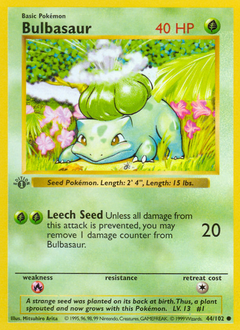
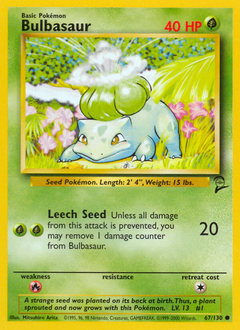
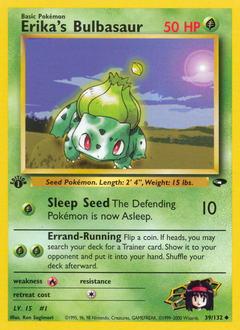
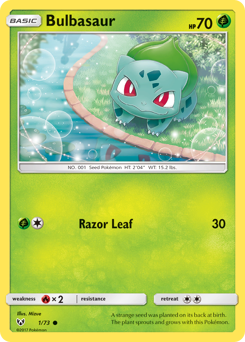
  Bulbasaur and
  Charmander follow closely behind as potent alternatives depending on your team's weather synergy.
The Best Fit for Your Playstyle
Selecting a starter dictates your early-game momentum and late-game team composition. You must match the Pokémon's stat distribution to your preferred battle strategy.
- Squirtle: The premier choice for setup sweepers, utilizing Shell Smash to overwhelm opponents quickly.
- Bulbasaur: The optimal pick for sun teams, leveraging Chlorophyll and Sleep Powder for unmatched speed and utility.
- Charmander: The dedicated wallbreaker, sacrificing HP via Solar Power to inflict devastating Fire-type damage.
 Chikorita: The defensive pivot for challenge runs, relying on screens and stalling tactics to survive difficult matchups.
Each option demands a specific supporting cast to cover its inherent type weaknesses. Building a balanced roster around your starter remains mandatory for completing the game.
1. Squirtle
In Pokémon Scarlet and Violet, Squirtle operates as a top-tier threat in the LC tier. Access to Shell Smash transforms it into a potent setup sweeper. You equip a White Herb to negate the defense drops or an Eviolite for raw bulk during the setup turn.
Hydro Pump and Surf provide reliable STAB options. Ice Beam handles Grass-type threats, while Tera Blast offers adaptive coverage. Rain Dish provides passive recovery if you run it alongside weather setters, though Torrent remains a strong default for clutch damage.
Squirtle pairs exceptionally well with  Mienfoo,
  Vullaby, and Diglett-Alola to handle Electric and Grass-type attackers.
  Salandit and
  Timburr also offer strong offensive synergy. Heavy-Duty Boots protect it from entry hazards, ensuring it stays healthy for a late-game sweep.
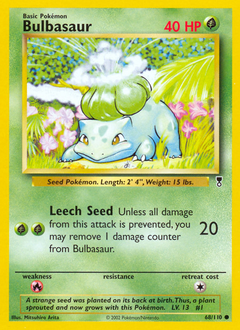
2. Bulbasaur
Bulbasaur sits comfortably in the LC tier within Pokémon Scarlet and Violet. Chlorophyll doubles its speed under harsh sunlight, making it a terrifying weather abuser. Growth boosts both offensive stats, allowing Sludge Bomb and Solar Beam to punch holes through opposing teams.
Sleep Powder provides crucial utility, shutting down counters and creating setup opportunities. Eviolite maximizes its natural bulk, while a Life Orb pushes its damage output to the limit. Miracle Seed and Big Root offer niche benefits for Giga Drain sets.
Bulbasaur thrives alongside  Riolu and Charmander.
  Shroodle,
  Glimmet, and Zorua-Hisui round out its ideal partners by covering its weaknesses to Flying and Psychic-type attacks. Overgrow serves as a reliable fallback ability if you lack dedicated sun support.
3. Charmander
Charmander functions as a dedicated wallbreaker in the LC tier of Pokémon Scarlet and Violet. Solar Power drains its HP but grants a massive boost to its Special Attack under the sun. Fire Blast and Overheat inflict devastating damage on anything that does not resist Fire.
Flamethrower offers a more consistent, accurate alternative. Weather Ball becomes a lethal weapon when paired with Sunny Day setters. Charmander utilizes Choice Specs or a Life Orb to maximize its breaking power, while a Choice Scarf patches up its average speed.
Eviolite or an Air Balloon can provide situational defensive utility. It synergizes perfectly with Glimmet, Bulbasaur, and Riolu. Mienfoo and Shroodle help maintain offensive momentum and clear hazards. You can run Sleep Talk to absorb sleep statuses and maintain offensive pressure.
4. Cyndaquil
Pokémon Legends: Z-A (2025) will likely recontextualize  Cyndaquil's role, much like Legends:
  Arceus did. Cyndaquil relies on high Speed and Special Attack to outpace early-game threats. Its movepool remains relatively narrow in the early stages, leaning heavily on Fire-type attacks.
This creates friction against Water and Rock-type Gym Leaders. You must rely on teammates to cover these blind spots until its evolution expands its offensive options. It functions best as a fast revenge killer.
Cyndaquil requires careful positioning due to its fragility. You cannot leave it exposed to strong physical attackers. It rewards players who prioritize speed control and aggressive pivoting.
5. Chikorita
Chikorita faces steep challenges in standard playthroughs due to unfavorable early-game matchups against Flying and Bug-type specialists. It excels in Nuzlockes and challenge runs where defensive utility outweighs raw damage. Access to screens and healing moves allows it to stall out difficult opponents.
You play Chikorita as a support pivot rather than a frontline attacker. It requires careful team building to mitigate its numerous type weaknesses. Grass-type offense rarely carries a playthrough on its own.
Players must leverage its natural bulk to absorb hits for more fragile teammates. It acts as the anchor for a stall-heavy strategy, demanding patience and precise tactical execution.
Defining 'Best' in the World of Starter Pokémon
Evaluating starters for in-game playthroughs requires balancing objective power with personal preference. We analyze early game dominance, late game viability, type matchups, movepools, and stat distributions. A starter's evolution line quality dictates its endgame performance against Elite Four members.
Objective power often clashes with nostalgia. We prioritize concrete mechanical advantages over subjective design appeal. A strong starter must demonstrate consistent utility across all stages of a playthrough.
We exclude competitive formats outside of the LC tier data provided. The focus remains on standard game progression, challenge runs, and specific mechanical interactions within the core series titles.
Early Game Dominance & Gym Leader Challenges
Squirtle dominates early Rock and Ground-type challenges with ease.  Mudkip provides similar advantages against early Gym Leaders in its respective region. Chikorita struggles significantly against early Flying and Bug-type opponents, requiring immediate team support.
 Chimchar bypasses early roadblocks by gaining Fighting-type moves quickly.
  Scorbunny relies on raw speed to overwhelm early trainers before they can set up. A starter's initial movepool dictates the pace of your first few hours of gameplay.
You must catch wild Pokémon to cover your starter's blind spots immediately. Relying solely on a Fire-type starter against an early Water-type Gym guarantees a severe progression block.
Late Game Viability, Elite Four Performance & Dual Typings
 Swampert's Water/Ground typing provides a massive endgame advantage with only one weakness.
  Cinderace uses its high speed and attack to sweep Elite Four teams.
  Decidueye leverages its Ghost/Grass typing for unique immunities, while
  Incineroar uses Fire/Dark to trap Psychic and Ghost-type enemies.
 Greninja's Protean and
  Blaziken's Speed Boost fundamentally alter late-game strategies by providing unmatched offensive pressure. Secondary typings define a starter's endgame role. A pure typing often limits offensive coverage against diverse Elite Four rosters.
You must factor in Hidden Abilities when assessing late-game potential. These abilities often elevate an average starter into a dominant late-game threat.
Signature Moves, Abilities & Strategic Evolution Lines
 Rillaboom's Drum Beating lowers opponent speed, dictating the pace of battle.
  Chesnaught's Spiky Shield punishes physical attackers while stalling for passive damage.
  Skeledirge's Torch Song boosts Special Attack while dealing damage, creating an unstoppable snowball effect.
 Empoleon's Defiant punishes stat-dropping moves like Intimidate.
  Primarina's Liquid Voice turns sound-based moves into Water-type STAB attacks. These unique mechanics define each starter's strategic identity.
 Venusaur operates as a bulky special attacker,
  Charizard functions as a fast special attacker, and
  Blastoise balances bulk with powerful offensive options. Understanding these stat distributions prevents you from running suboptimal physical attacks on a special attacker.
The Underdogs & Niche Picks: Unconventional Strengths
 Turtwig suffers from low early speed but develops into a bulky Grass/Ground powerhouse.
  Oshawott acts as a slow burn, requiring specific TMs and level-ups before its movepool opens up. These starters require strategic positioning and long-term planning.
You cannot rely on them to solo carry the early game. They reward players who build robust, defensive cores to support their eventual scaling. Chikorita's defensive utility in Nuzlockes perfectly exemplifies this niche approach.
Overlooked starters often shine in specialized challenge runs. Their unique stat distributions provide answers to specific, difficult encounters that purely offensive starters fail to handle.
Generation-Specific Analysis: Scarlet & Violet to Legends Z-A
In Pokémon Scarlet and Violet, Terastallization changes defensive profiles entirely. Skeledirge uses Unaware to ignore enemy stat boosts.  Meowscarada abuses Protean for adaptive STAB, and
  Quaquaval relies on Moxie to sweep.
Sword and Shield centralized power around Dynamax, making Cinderace and  Inteleon premier threats. Legends: Arceus altered battle flow, giving
  Rowlet, Cyndaquil, and Oshawott distinct roles in open-world combat. Pokémon Legends: Z-A will introduce new mechanics that demand fresh evaluations.
Brilliant Diamond and Shining Pearl increased Elite Four difficulty, forcing  Infernape, Empoleon, and
  Torterra to utilize optimized movesets. You must adapt your starter choice to the specific mechanical gimmicks of the generation you are playing.
Common Pitfalls & Misconceptions When Choosing a Starter
Choosing a starter solely for the first Gym Leader often leads to mid-game plateaus. A starter cannot function as a solo carry; you must build a balanced team around its weaknesses. Ignoring a starter's eventual secondary typing creates overlapping team vulnerabilities.
Charmander's eventual Flying weakness requires dedicated Electric and Rock-type counters on your roster. Over-leveling your starter while ignoring the rest of your team guarantees failure against late-game opponents with diverse coverage moves.
Do not assume a starter is viable just because it looks intimidating. Base stats and movepools dictate actual game performance, not visual design.
The Subjective Factor: Nostalgia, Design & Personal Connection
Nostalgia heavily influences player preference. The enduring popularity of Bulbasaur, Charmander, and Squirtle stems from their iconic status.  Pikachu and
  Eevee function as non-traditional starters, offering a unique, character-driven experience.
Personal connection to a Pokémon's design often outweighs objective stat advantages during casual playthroughs. Players frequently choose a starter based on its aesthetic appeal rather than its early-game matchups.
While objective metrics matter for challenge runs, standard playthroughs accommodate any starter choice. Game Freak designs the core campaigns to be beatable regardless of your initial selection.
Choosing Your Ideal Starter: A Decision Guide
Beginners should select robust, early-game dominant starters like Mudkip or Scorbunny. Challenge seekers benefit from the strategic depth required by Chikorita or Turtwig. Always consider the specific game's difficulty curve and the availability of wild Pokémon.
If a region lacks strong wild Fire-types, choosing the Fire-type starter becomes a tactical necessity. Balance objective strengths with your personal playstyle for the best experience.
Review the Gym Leader typings for your chosen game before making a decision. Plan your first three team additions immediately to cover your starter's blind spots.
Quick Tier List
This tier list categorizes starters based on their overall utility, movepool depth, and early-game performance across standard playthroughs.
- S-Tier: Squirtle (Shell Smash dominance provides unmatched sweeping capabilities).
- A-Tier: Bulbasaur (The definitive sun team staple), Charmander (Devastating wallbreaker with Solar Power).
- B-Tier: Cyndaquil (Fast but fragile, struggles with early movepool limitations).
- C-Tier: Chikorita (Relegated to a defensive niche, requires heavy team support).
Tiers shift depending on the specific game generation and available mechanics. Terastallization and Mega Evolution drastically alter these baseline rankings.
Methodology
We evaluate starters based on base stat distribution, typing advantages, and movepool depth. Availability across different game generations factors into overall utility. We prioritize objective performance metrics over subjective design preferences.
We analyze specific competitive data, such as LC tier usage and Smogon SV viability, to ground our mechanical assessments. Move sets, optimal items, and partner synergies are derived from established competitive frameworks.
This data-driven approach ensures our rankings reflect actual gameplay mechanics rather than community popularity contests.
- Pokémon
- Bulbasaur
- Type
- Grass, Poison
- Total
- 318
- Pokémon
- Charmander
- Type
- Fire
- Total
- 309
- Pokémon
- Squirtle
- Type
- Water
- Total
- 314
- Pokémon
- Chikorita
- Type
- Grass
- Total
- 318
- Pokémon
- Cyndaquil
- Type
- Fire
- Total
- 309
| Pokémon | Type | Total |
|---|---|---|
| Bulbasaur | Grass, Poison | 318 |
| Charmander | Fire | 309 |
| Squirtle | Water | 314 |
| Chikorita | Grass | 318 |
| Cyndaquil | Fire | 309 |
Base Stat Comparisons

Related Pokémon guides
Compare base stats, hidden abilities, and optimal movesets for every starter Pokémon to build the perfect team.
View Full Starter StatsExplore More Pokémon Data
Frequently Asked Questions
Which is the strongest alternative to Squirtle?
Bulbasaur stands as the strongest alternative. Its access to Sleep Powder and Chlorophyll provides unmatched utility and speed control, making it a staple for sun-based teams and a reliable pivot in difficult battles.
How do Bulbasaur, Charmander, and Squirtle compare directly?
Squirtle excels as a setup sweeper using Shell Smash. Bulbasaur operates as a fast utility pivot under the sun. Charmander functions as a fragile but devastating wallbreaker utilizing Solar Power and Fire Blast.
Which starter is best for early game in Scarlet and Violet?
Squirtle provides the most consistent early-game performance in the LC tier. Its access to strong Water-type STAB and Ice Beam allows it to handle early threats efficiently without relying on weather setup.
Why are Kanto starters so prominent in Pokémon lore?
Bulbasaur, Charmander, and Squirtle established the foundational Grass/Fire/Water core in Generation 1. Their enduring presence stems from nostalgia, recurring game appearances, and their status as the original baseline for all subsequent starter designs.