Best Legendary Pokémon
Determining the 'best' Legendary Pokémon is subjective and depends on diverse perspectives. However, based on SV Ubers data,  Ho-Oh leads with a 30.3% usage rate due to its Regenerator ability.
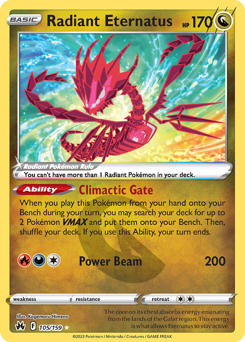
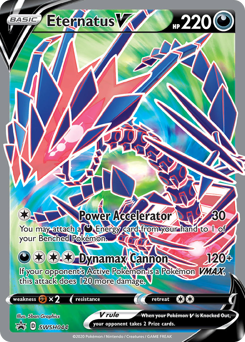
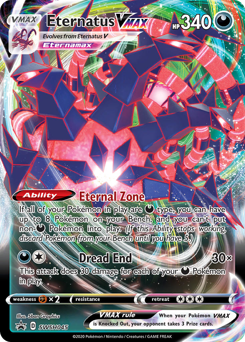
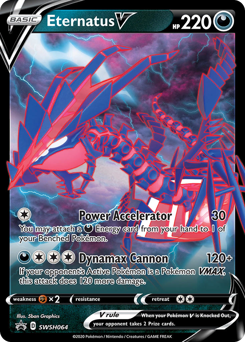
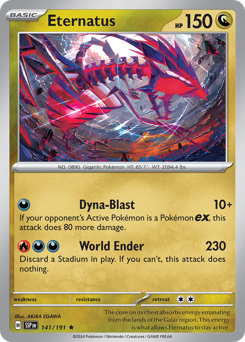
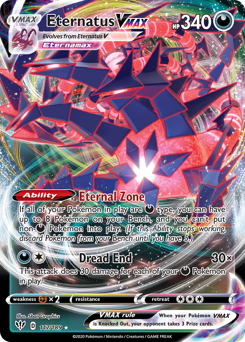
  Eternatus,
  Rayquaza, and
  Mewtwo offer different strategic advantages depending on your team's specific needs.
Introduction: Defining 'Best' Among Legendary Pokémon
Determining the absolute greatest Legendary Pokémon requires acknowledging that such assessments are subjective and depend on diverse perspectives. A player focused on the Scarlet and Violet Ubers ladder evaluates viability entirely differently than someone preparing for Pokémon Legends: Z-A (2025). The franchise spans nine generations, introducing dozens of deities, artificial creations, and cosmic entities.
Each creature fulfills a specific role, ranging from offensive wallbreakers to defensive pivots. You should just offer information in a neutral tone instead of providing a strict ranking, as every team requires different tools. This analysis breaks down their greatness across competitive viability, in-game utility, and historical impact.
The Best for Your Playstyle
Choosing the right Legendary Pokémon entirely depends on the format you are playing. Here is a breakdown based on specific use cases:
- Competitive Ubers (SV): Ho-Oh. Heavy-Duty Boots and Regenerator make it a highly resilient pivot against special attackers.
- In-Game Story (SV):
 Koraidon. It serves as your primary traversal method before becoming a devastating physical attacker in the post-game.
 - Lore & Mythos:
 Arceus. As the creator deity of the Pokémon universe, its narrative weight remains unmatched.
 - Mixed Attacker (Ubers): Rayquaza. Air Lock and strong priority moves offer unique utility against weather teams.
Methodology: How We Evaluate Legendary Pokémon
Our evaluation relies heavily on Smogon's Scarlet and Violet Ubers usage statistics to ground competitive claims. We analyze base stat distributions, typing synergies, and the practical application of abilities in current formats. Availability across recent titles, including Scarlet, Violet, and the upcoming Pokémon Legends: Z-A, heavily weights our in-game utility scores.
We actively ignore Pokédex entries when assessing battle performance, focusing strictly on movepools and item interactions. This data-driven approach separates theoretical power from actual metagame dominance. By looking at partners and counters, we determine how splashable a Pokémon truly is.
Ho-Oh: The Regenerator King (30.3% Usage)
Ho-Oh dominates the SV Ubers tier primarily through the combination of its Regenerator ability and Heavy-Duty Boots. This setup allows it to switch in repeatedly, absorb hits, and heal upon exiting without fearing entry hazards. Sacred Fire remains its most critical tool, offering a high burn chance that cripples physical attackers trying to switch in.
Players typically run Brave Bird for secondary STAB, alongside Recover and Whirlwind to phase out setup sweepers. Alternative sets might utilize a Choice Band or Assault Vest depending on team needs. It pairs exceptionally well with Koraidon,  Kyogre, and Arceus-Fairy to form resilient defensive cores.
Despite its high usage rate, Ho-Oh struggles against specific walls and Rock-types.  Garganacl,
  Dondozo, and
  Tyranitar easily absorb its attacks and force it out. You must also watch out for
  Zekrom and Arceus-Electric, which threaten immediate KOs with super-effective STAB moves.
Eternatus: The Bulky Poison Core (21.6% Usage)
Eternatus operates as a premier bulky attacker in the current metagame. Its Pressure ability allows it to stall out low-PP moves from opposing walls. Dynamax Cannon provides consistent, high-damage Dragon STAB, while Sludge Bomb threatens Fairy-types and spreads poison.
Players often utilize Heavy-Duty Boots or Leftovers to maximize its longevity alongside Recover. Alternatively, a Power Herb combined with Meteor Beam offers a devastating surprise Special Attack boost. This Poison/Dragon typing makes it an ideal partner for Koraidon, Zacian-Crowned, and Kyogre.
It effectively checks many special attackers but falls short against dedicated Ground and Psychic threats. Deoxys-Attack,  Ting-Lu, and Arceus-Ground can exploit its weaknesses easily. Calyrex-Ice also poses a massive threat with its overwhelming physical attacks, while Necrozma-Dusk-Mane completely walls its standard sets.
Rayquaza: The Wallbreaking Dragon (2.6% Usage)
Rayquaza carves out a specific niche as a devastating wallbreaker. Its Air Lock ability shuts down weather-dependent strategies, giving it a unique edge against sun and rain teams. Dragon Ascent is its mandatory Flying-type STAB, pairing perfectly with Extreme Speed to pick off weakened targets.
Players frequently run Dragon Dance or Swords Dance to boost its massive Attack stat. Life Orb or Focus Sash are the preferred items to guarantee either maximum damage output or a safe setup turn. Rayquaza synergizes well with Koraidon and Arceus to overwhelm physical walls.
Despite its power, it faces severe issues against bulky Steel-types. Necrozma-Dusk-Mane and Zacian-Crowned can easily tank its hits and retaliate.  Lunala also completely walls its standard physical sets, forcing Rayquaza to rely on Draco Meteor if it wants to break through.
Mewtwo: The Original Special Sweeper (1.0% Usage)
Mewtwo functions as a high-speed special sweeper, though its SV Ubers usage has dropped significantly. Psystrike remains its defining move, allowing it to bypass special walls by calculating damage based on the target's Defense. Nasty Plot pushes its Special Attack to unmanageable levels.
Coverage options like Fire Blast, Ice Beam, and Aura Sphere allow it to hit specific checks. A Life Orb maximizes its damage ceiling, but Choice Scarf variants can act as emergency revenge killers. It appreciates partners like Necrozma-Dusk-Mane and Ho-Oh that can handle its defensive shortcomings.
Unfortunately, Mewtwo struggles against the tier's premier legendary threats. Kyogre can tank its hits and fire back with massive damage. Koraidon outspeeds Mewtwo and threatens it with powerful physical attacks, making it difficult to position safely.
Lugia: The Multiscale Wall (0.8% Usage)
 Lugia serves as a dedicated physical wall, relying almost entirely on its Multiscale ability. This ability halves incoming damage when at full HP, allowing it to survive devastating hits. Players run Heavy-Duty Boots to ensure Multiscale remains intact upon switching in.
Whirlwind is essential to prevent opponents from using it as setup fodder, while Recover keeps it healthy. Offensive moves like Earth Power, Psychic, or Aeroblast prevent it from being completely passive. It partners well with Ho-Oh,  Groudon, and Eternatus to form impenetrable defensive backbones.
The main drawback to Lugia is its extreme passivity. It struggles against strong Electric-type and Rock-type attackers that can break its Multiscale. Taunt users easily shut down its recovery, forcing it to switch out and lose momentum.
Quick Tier-List: The Broader Ubers Metagame
This tier-list reflects general viability in the unrestricted SV Ubers format, prioritizing consistency and splashability across various team archetypes.
- S-Tier: Ho-Oh, Koraidon,
 Miraidon. These define the metagame and fit onto almost any successful team structure.
 - A-Tier: Eternatus, Kyogre, Zacian-Crowned. Highly effective picks that dictate the pace of the match but require slight team support.
- B-Tier: Rayquaza, Arceus-Fairy, Necrozma-Dusk-Mane. Specialized roles that excel in specific matchups but struggle against common S-Tier threats.
- C-Tier: Mewtwo, Lugia. Currently outclassed in their primary roles and require heavy, dedicated team support to function effectively.
Competitive Titans: Legendary Pokémon Dominating the Meta
The highest echelons of competitive play are defined by a select few titans. Zacian-Crowned completely warped the Sword and Shield VGC Series 12 metagame. Its Intrepid Sword ability provided an immediate Attack boost, allowing its Behemoth Blade to shred through dynamaxed opponents. Even with a slight nerf in Generation 9, it remains a premier offensive threat.
Weather control remains a dominant strategy, spearheaded by Primal Kyogre and Primal Groudon in formats where they are legal. Their abilities establish permanent weather conditions, boosting their respective STAB attacks to unwallable levels. These primal forms force opponents to dedicate specific team slots just for weather mitigation.
Calyrex-Shadow Rider operates on a completely different axis. It utilizes its As One ability to snowball through teams after a single knockout. Astral Barrage offers perfectly accurate, high-base-power Ghost STAB that mandates a Normal-type or Dark-type switch-in on every viable team.
Lore, Mythos, and Narrative Impact: The Storytellers
Legendary Pokémon function as the primary storytellers within the franchise's universe. Arceus sits at the absolute pinnacle of this hierarchy as the creator deity. Its narrative weight was fully explored in Pokémon Legends: Arceus, establishing it as the most canonically powerful entity capable of shaping reality.
Mewtwo offers a stark contrast as the first artificial Pokémon. It represents themes of scientific hubris and existential purpose, standing apart from the natural deities of later generations. The Generation 5 box mascots, Zekrom and  Reshiram, drive the philosophical conflict of Black and White by forcing the player to choose between ideals and truth.
 Xerneas and
  Yveltal perform a similar function in Kalos, embodying the raw concepts of life and death. Rayquaza maintains the delicate balance of the Hoenn region. It descends from the ozone layer specifically to quell the destructive clashes between Kyogre and Groudon, acting as a planetary defense mechanism.
Design, Aesthetics, and Iconic Visuals
Visual design dictates how the community perceives a Legendary Pokémon's power. Lugia features an elegant, aerodynamic silhouette that perfectly communicates its mastery over the seas and storms. Its massive, hand-like wings give it a majestic presence that translates beautifully into 3D models.
 Giratina leans heavily into cosmic horror and anti-matter themes. Its Origin Forme utilizes a serpentine body with spectral wings, creating an otherworldly and imposing aesthetic. This design perfectly matches its lore as a banished entity residing in the Distortion World.
Eternatus pushes this concept even further with its skeletal, draconian frame. The jagged lines and glowing core visually represent its toxic, alien nature. It stands as one of the most uniquely terrifying designs in the entire Pokédex, completely distinct from traditional organic Pokémon.
In-Game Utility and Story Progression MVPs
Beyond competitive ladders, certain Legendary Pokémon excel during a standard story playthrough. Scarlet and Violet revolutionized this concept by providing Koraidon and Miraidon at the very beginning of the game. They serve as indispensable traversal tools, allowing players to climb, swim, and glide across the Paldea region.
Once their battle forms are unlocked, they easily overpower the Elite Four and post-game challenges. Historically, box Legendaries provide massive power spikes right before the Pokémon League. Catching them often trivializes the remaining gym battles due to their overwhelming base stats.
In older generations, players often relied on specific Legendary Pokémon as HM users, though modern titles have thankfully phased out this mechanic. The raw power of these creatures ensures you never hit a progression wall during the main narrative.
The Most Iconic and Nostalgic Legendary Pokémon
Nostalgia heavily influences player preferences, particularly for creatures introduced in the first two generations. Mew generated massive playground rumors due to its hidden nature in Red and Blue. Its starring role in the first Pokémon movie cemented its status as an iconic, mysterious figure.
The original bird trio established the standard for static, late-game encounters. Ho-Oh and Lugia elevated this concept as the mascots of Gold and Silver. Their integration into the Johto region's mythology, complete with dedicated towers and lore items, made finding them feel like a true achievement.
The anime further boosted their popularity, with Ho-Oh appearing in the very first episode. These early introductions permanently shaped how players expect Legendary encounters to feel, setting a high bar for environmental storytelling that later games constantly strive to match.
Legendary Pokémon with Unique Mechanics and Forms
Game Freak frequently uses Legendary Pokémon to introduce entirely new battle mechanics.  Zygarde perfectly illustrates this with its multiple forms. Its Power Construct ability allows it to transform from its 10% or 50% state into its massive Complete Form mid-battle, completely shifting its defensive profile.
 Necrozma takes a different approach by physically fusing with
  Solgaleo or Lunala. Dusk Mane and Dawn Wings Necrozma alter its typing and movepool. The Ultra Burst mechanic allowed it to achieve its ultimate Ultra Necrozma form in Generation 7, acting as a terrifying omni-boosted sweeper.
 Genesect relies on its Drive items to alter the typing of its signature move, Techno Blast. This forces opponents to scout the specific Drive before committing their defensive counters. These unique mechanics add a layer of tactical depth to every engagement involving these specific Pokémon.
Recent Generations' Standouts: Gen 8 & 9's Impact
Generations 8 and 9 introduced incredibly pushed Legendary designs that immediately dominated their respective formats.  Zacian and
  Zamazenta brought the Crowned forms mechanic, requiring a specific held item to unlock their true potential. Zacian's Fairy/Steel typing made it an instant staple.
 Calyrex utilized the reins of unity to ride either
  Glastrier or
  Spectrier. This combined their abilities and stats into single, overwhelming entities. Generation 9 continued this power creep with the Treasures of Ruin, a quartet of Dark-type Legendaries.
This quartet features abilities that passively lower the stats of every other Pokémon on the field.  Chien-Pao and
  Chi-Yu immediately became top-tier threats by reducing physical and special defense, respectively. These recent additions prove that Game Freak actively pushes ability design to keep new Legendaries highly relevant.
Overlooked Gems and Niche Powerhouses
Not every Legendary Pokémon reaches the Ubers tier, but many offer unique value in specific contexts.  Regigigas possesses phenomenal base stats that are severely hindered by its Slow Start ability. Players who manage to stall out the five turns of Slow Start are rewarded with an unstoppable physical attacker.
 Tapu Fini found massive success in VGC formats as a bulky support option. Its Misty Surge ability prevents status conditions and halves Dragon-type damage, providing immense defensive utility for its partners. It functions as a perfect glue Pokémon for hyper-offensive teams.
 Cresselia occupies a similar niche as an unkillable Psychic-type wall. It frequently utilizes Trick Room to reverse speed tiers and Lunar Dance to fully heal a fainted teammate. These overlooked gems thrive in highly specialized, slow-paced team structures.
Conclusion: The Enduring Legacy of Legendary Pokémon
Determining the absolute best Legendary Pokémon remains an impossible task due to the varied ways players engage with the franchise. A strictly competitive player will always value Ho-Oh's Regenerator pivots or Eternatus's bulky Poison typing in the Ubers tier. Conversely, a lore enthusiast might argue that Arceus's status makes it the undisputed peak.
These creatures succeed because they offer diverse strengths across competitive, narrative, and aesthetic domains. From the nostalgic heights of Mewtwo to the modern dominance of Koraidon, Legendary Pokémon continue to evolve. They remain the ultimate goal for trainers worldwide.
As we look toward future titles like Pokémon Legends: Z-A, the criteria for greatness will undoubtedly shift again. Ultimately, the best Legendary is the one that perfectly fits your specific team composition, aesthetic preferences, or childhood memories.
- Pokémon
- Eternatus
- Type
- Poison, Dragon
- Total
- 690
- Pokémon
- Mewtwo
- Type
- Psychic
- Total
- 680
- Pokémon
- Lugia
- Type
- Psychic, Flying
- Total
- 680
- Pokémon
- Ho-Oh
- Type
- Fire, Flying
- Total
- 680
- Pokémon
- Rayquaza
- Type
- Dragon, Flying
- Total
- 680
| Pokémon | Type | Total |
|---|---|---|
| Eternatus | Poison, Dragon | 690 |
| Mewtwo | Psychic | 680 |
| Lugia | Psychic, Flying | 680 |
| Ho-Oh | Fire, Flying | 680 |
| Rayquaza | Dragon, Flying | 680 |
Current Usage Statistics

Related Pokémon guides
Optimize your team building with real-time usage stats and detailed movepool analysis.
View Full PokédexMore Metagame Analysis
Frequently Asked Questions
Which Legendary Pokémon is the strongest in the lore?
Arceus is canonically the strongest Legendary Pokémon in the franchise's lore. As the creator deity, it shaped the universe using its thousand arms and possesses the ability to change its typing dynamically.
Is Mewtwo still viable in competitive Pokémon?
Mewtwo currently struggles in the Scarlet and Violet Ubers tier with only a 1.0% usage rate. While Psystrike and Nasty Plot offer high damage, it is easily countered by bulky threats like Kyogre and Koraidon.
Who wins between Kyogre and Groudon?
In competitive formats, the winner entirely depends on which Pokémon's weather ability activates last. Primal Groudon's Desolate Land nullifies Water attacks, while Primal Kyogre's Primordial Sea shuts down Fire moves, creating a constant battle for field control.
What is the best Legendary Pokémon for a Scarlet and Violet playthrough?
Koraidon and Miraidon are the most useful Legendary Pokémon for a standard playthrough. You receive them immediately for map traversal, and they later unlock devastating battle forms that easily clear the post-game content.