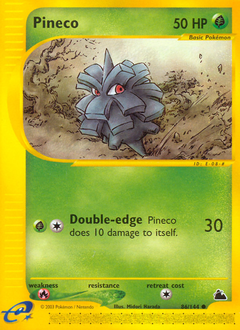
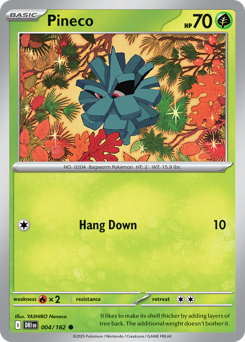
The Evolution Method: Reaching Level 31
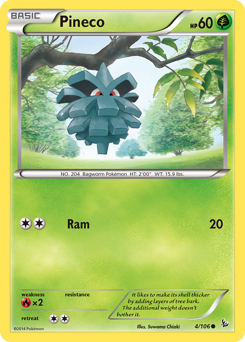
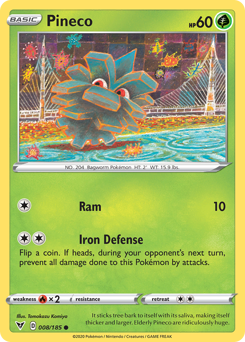
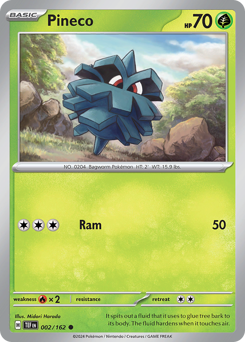
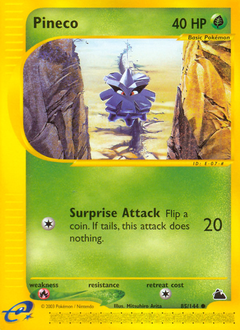
Pineco evolves into  Forretress upon reaching level 31. This process requires no evolutionary stones, trading, or specific time of day.
Players can reach this threshold quickly using Rare Candies or EXP Candies obtained from Tera Raids in modern generations. If leveling manually, equip an Eviolite to  Pineco to boost its low base 90 Defense while grinding against physical attackers.
Canceling the evolution by pressing B is possible, but Pineco gains no new moves early by delaying its evolution. Evolve it immediately at level 31 to gain the Steel typing, nine new resistances, and a massive defensive stat boost.
Competitive Verdict & Rating
Forretress earns a 6.5/10 rating in modern competitive formats. It functions strictly as a physical wall, hazard setter, and slow pivot.
Unlike offensive sweepers or wallbreakers, Forretress relies entirely on utility. Its base 140 Defense allows it to absorb hits from physical attackers like  Garchomp or
  Dragonite. However, a base 60 Special Defense leaves it highly vulnerable to special attackers.
- Primary Role: Hazard Setter / Slow Pivot
- Rating: 6.5/10
- Best Ability: Sturdy
Sturdy guarantees Forretress survives any single attack from full health. This ensures you can always set up at least one layer of Stealth Rock or clear opponent hazards with Rapid Spin before fainting.
Pros and Cons of Using Forretress
Evaluating Forretress requires looking at its specific utility toolkit against its glaring defensive gaps. Its primary advantage is role compression in a single team slot.
Pros:
- Access to all three entry hazards: Stealth Rock, Spikes, and Toxic Spikes.
- Rapid Spin clears opponent hazards while simultaneously boosting Forretress's Speed.
- A slow Volt Switch allows you to take a hit and safely bring in a fragile sweeper.
- Bug/Steel typing provides nine resistances and one immunity (Poison).
Cons:
- A crippling 4x weakness to Fire-type moves means any stray Flamethrower or Mystical Fire forces an immediate switch.
- Zero reliable recovery moves. Forretress relies entirely on Leftovers to heal, making it easy to wear down over a match.
- Highly passive nature. Without Body Press or Gyro Ball, it becomes setup fodder for Ghost-types that block Rapid Spin.
Team Synergy: Who Should Use Forretress?
Forretress fits best on bulky offense and balance teams. These team archetypes need reliable hazard removal and a physical sponge that does not sap momentum during a match.
Pair Forretress with Flash Fire Pokémon like  Ceruledge or
  Heatran. When the opponent targets Forretress with a predictable Fire-type attack, switching to a Flash Fire partner grants them a free offensive boost while absorbing the hit.
Do not use Forretress on hyper-offense teams. Hyper offense requires fast suicide leads like  Glimmora or Focus Sash
  Aerodactyl to set hazards and immediately faint or deal massive damage. Forretress is too slow and passive for this aggressive playstyle.
Recommended Movesets & Natures
Optimizing Forretress requires maximizing its physical bulk. Use a Relaxed nature (+Defense, -Speed) to power up Gyro Ball, or an Impish nature (+Defense, -Special Attack) if running Body Press.
Allocate 252 EVs to HP and 252 EVs to Defense. The remaining 4 EVs go into Special Defense. Equip Leftovers for passive healing, or a Rocky Helmet to punish physical attackers using contact moves like U-turn.
- Move 1: Rapid Spin (Mandatory hazard clearing)
- Move 2: Volt Switch (Momentum generation)
- Move 3: Stealth Rock / Spikes (Choose based on team needs)
- Move 4: Gyro Ball / Body Press (Prevents Taunt from shutting you down)
Body Press calculates damage using Forretress's massive 140 Defense stat instead of its mediocre 90 Attack stat. This makes it a consistent damage dealing option against Dark, Steel, and Normal types.
Historical Context & Generational Shifts
Historically, Forretress dominated the OverUsed (OU) tier during Generations 2 through 5. It was one of the few viable Pokémon that could both set Spikes and use Rapid Spin in a single moveset.
The introduction of Defog as a widespread hazard removal tool in Generation 6 drastically reduced its usage. Furthermore, Heavy-Duty Boots in Generation 8 allowed many Pokémon to ignore entry hazards entirely, lowering the value of dedicated hazard setters.
Disclaimer: Pokedex.me is an unofficial fan-site and is not affiliated with Nintendo or The Pokémon Company. Today, Forretress finds its home in lower tiers like RU (RarelyUsed) or UU (UnderUsed), where it still performs its classic utility role effectively against physical threats.
EVOLUTION CHAIN

SPRITE GALLERY
 OFFICIAL ARTWORK
 OFFICIAL SHINY
 HOME 3D
 HOME 3D SHINY
 FRONT
FRONT FRONT SHINY
 BACK
BACK BACK SHINY
 ANIMATED
 ANIMATED SHINY
Related Pokémon guides
Competitive Strategy Guides
Frequently Asked Questions About Pineco
Can Pineco evolve before level 31?
No. Pineco must reach exactly level 31 through battle experience, EXP Candies, or Rare Candies to trigger its evolution into Forretress. There is no alternative method to bypass this level requirement.
Does Pineco need a specific item to evolve?
No items are required. Unlike many other Steel-types that require a Metal Coat and a trade, Pineco evolves strictly through leveling up. You do not need to equip any evolutionary stones or hold items.
What is the best nature for Pineco?
Impish or Relaxed are the optimal natures. Impish increases Defense while lowering Special Attack, perfect for Body Press builds. Relaxed increases Defense while lowering Speed, maximizing the damage output of Gyro Ball.
Is Forretress immune to Sandstorm damage?
Yes. Upon evolving from Pineco, Forretress gains the Steel typing. Steel-type Pokémon are completely immune to the passive chip damage inflicted by Sandstorm weather conditions, increasing its longevity on the field.